Iran: What’s Really Happening Beyond the Headlines
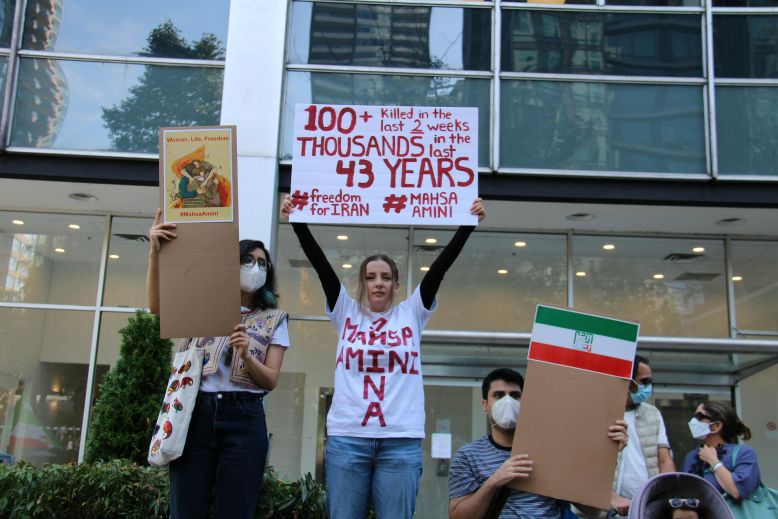
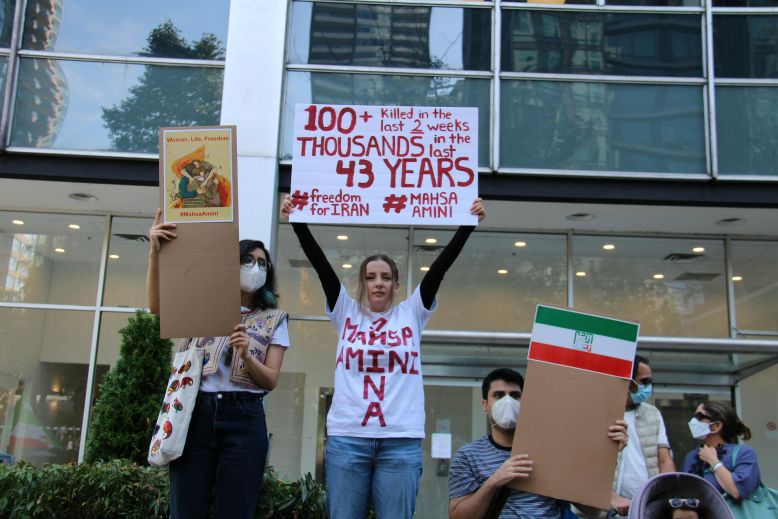
January and February 2026 have seen the most significant challenge to the Islamic Republic of Iran in decades, with protests spreading across the country over deep economic pain and broader political repression. What started in late December 2025 with shopkeepers in Tehran’s bazaar reacting to a currency collapse and soaring inflation quickly escalated into nationwide demonstrations demanding systemic change. Tens of thousands of people from all walks of life took part, uniting economic grievances with calls for freedom and reform.
The Iranian government’s response was instantaneous and brutal. Security forces, including the Islamic Revolutionary Guard Corps, used live ammunition, birdshot, and other lethal means against unarmed protesters. Human rights groups have documented mass killings and vast numbers of serious injuries, with some scenes described by doctors as comparable to wartime trauma. This article gives a good overview.
To hide the scale of repression, Tehran imposed a near-total internet blackout beginning on 8 January 2026, cutting communications nationwide just as the protests peaked. That move, widely condemned as an effort to conceal human rights violations, also disrupted everyday life, from hospital operations to family contact, and made independent information from inside Iran extremely sparse.
Estimates of casualties vary wildly because of the communications shutdown, but even conservative figures point to tens of thousands killed and hundreds of thousands injured, with many more detained in sweeping mass arrests.
Despite this, the narrative in much Western mainstream media still leans toward broad simplicity: Iran is unstable, its people want freedom, and the regime is clinging to power. That’s partly true, but it misses the lived reality of Iranians right now. People are not just protesting slogans. They are facing real, daily fear of lethal force, being cut off from family and legal representation, and trying to navigate life amid an economy in steep decline. Groceries are becoming unaffordable for ordinary families, and essential services are strained. Many Iranians are trapped between starvation, repression, or the near-impossible gamble of trying to leave. This Associated Press article paints a vivid picture.
But that simplicity hides what people on the ground are actually enduring, and how the system they’re pushing against was built.
Over recent months, economic pressure, inflation, unemployment, and long standing political frustration have fuelled demonstrations in multiple cities. Protests in Iran are not new. What feels different now is the depth of economic strain and the generational anger beneath it.
When unrest flares, the state response is swift. Security forces move in. Arrests follow. Communications are restricted. Information becomes patchy. For ordinary Iranians, this isn’t theory. It’s fear. Fear of detention. Fear of losing work. Fear of being in the wrong place at the wrong time while prices keep rising and space for dissent keeps shrinking.
To understand why this struggle keeps resurfacing, you have to go back to 1979.
The revolution overthrew the Shah and replaced a monarchy with an Islamic Republic built on the concept of rule by the Islamic jurist. Ultimate authority would rest not with an elected politician, but with a senior cleric.
Ayatollah Khomeini became the first Supreme Leader. The system was designed so that while presidents and parliaments would be elected, core power would remain in clerical hands, protected by institutions like the Revolutionary Guard.
When Khomeini died in 1989, Ali Khamenei became Supreme Leader. He has remained there ever since.
That fact alone matters. For more than three decades, the apex of authority has not changed. The Supreme Leader controls the armed forces, influences the judiciary and state media, and holds decisive sway over security and foreign policy. Elections happen, but within strict boundaries.
So when people protest today, they are not simply opposing a president who can be voted out. They are pushing against a structure that has concentrated ultimate authority in one office for nearly half a century.
Western coverage often shifts quickly to nuclear negotiations and regional tensions. Those are real. Iran supports proxy groups across the Middle East and plays a central role in regional security dynamics.
But inside the country, daily life is shaped by something more immediate. Inflation. Youth unemployment. Restrictions that have barely shifted in decades. Many young Iranians are educated and globally aware, yet governed by a system led by the same man since before they were born.
That generational disconnect is powerful.
There’s also a recurring idea that the Shah’s son, Reza Pahlavi, offers a ready made alternative. He is articulate and visible abroad, and parts of the diaspora rally behind him. Media outlets frequently give him airtime.
But symbolism is not structure.
He has lived in exile since 1979. He does not command institutions inside Iran. He does not control armed forces or security networks. There is no consensus inside the country about restoring a monarchy. The notion that there is a neat successor waiting in the wings is appealing. But Iran’s political reality is not clean.
The same applies to recent U.S. and Israeli strikes.
People might think those strikes have weakened the regime. Facilities were hit. Infrastructure was damaged. Headlines spoke of major setbacks.
But damage is not collapse.
Iran’s nuclear program has been delayed before and rebuilt before. Many facilities are hardened for exactly this reason. The strikes may buy time or increase diplomatic pressure, but they have not dismantled the power structure. The Supreme Leader remains. The Revolutionary Guard remains. The system remains.
In some ways, external attacks can strengthen hardliners, reinforcing the narrative that Iran is under siege and narrowing space for internal reform.
For ordinary Iranians, the consequences are economic. Currency pressure. Rising prices. More instability layered onto daily life.
The lazy narrative says change is inevitable, or that external pressure will tip the balance.
History suggests caution. The Islamic Republic has survived war, sanctions, waves of protest, and leadership transitions. It was built to endure.
That doesn’t mean it cannot change. It means change will be contested and costly.
If we want to understand Iran, we need to move beyond slogans and tidy endings. Behind every headline are families navigating inflation, uncertainty, and the consequences of decisions made by men who have held power for decades.
That reality rarely fits neatly into a news cycle.
Aren’t we lucky to be living in a place like Australia?



One Comment