From Sunburnt Country to Snow Gold
If you think Australia and winter sports don’t belong in the same sentence, you’re not alone. We’re the red dry country. Beaches. Dust. Kangaroos. The odd shark, a few snakes. Snow? That’s supposed to be someone else’s thing.
Except it isn’t.
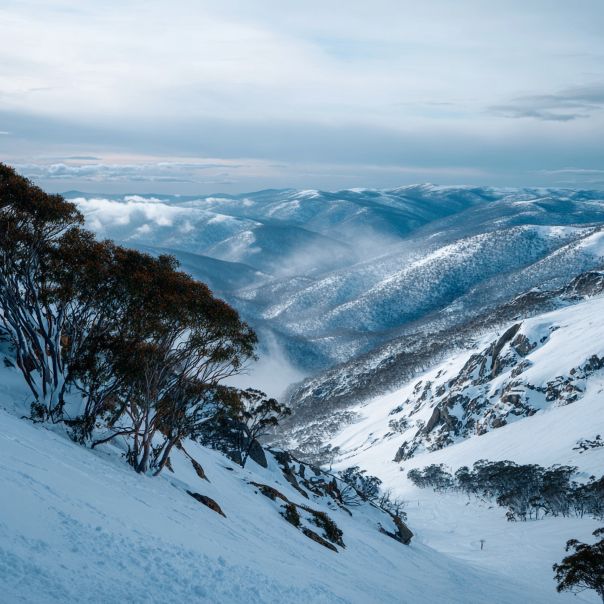
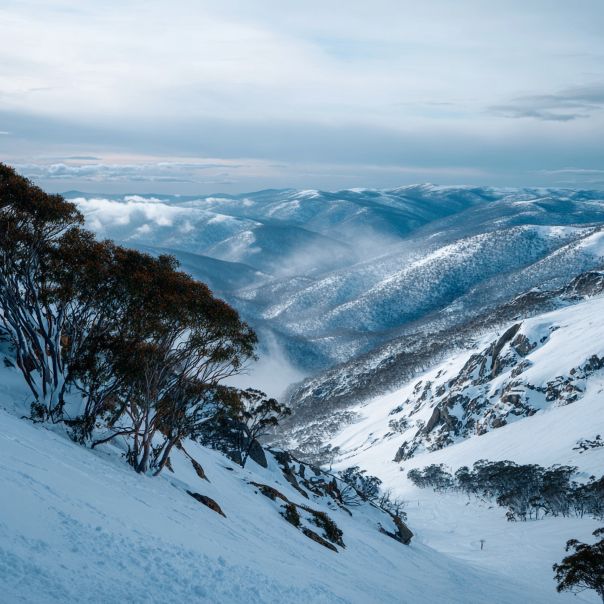
Australia has about 284 km of ski slopes and 141 ski lifts, with a season that can last up to 5 months. Our Alps are not as high as the European Alps, and our season’s shorter. However, as BBC Earth reports in Australia’s Winter Wonderland,
“Across the mountainous tops of the Great Dividing Range, winter brings heavy snowfalls. This snowfall is so heavy that Australian Alps, located near the capital city of Canberra, receives more snow than the Swiss Alps in the winter months!”
From the Snowy Mountains (note name) in New South Wales to Victoria’s alpine region and down into Tasmania, snow sport is part of life in the southern states. Families grow up skiing. Kids snow board before they can drive. Resorts fill every winter.
So when the Winter Olympics roll around, we’re not just showing up for the novelty.
Australia’s Winter Olympic success story really kicked off in 1994 when Zali Steggall won bronze in alpine skiing. It was the first Winter Olympic medal for the country. That mattered. Sport-mad Australians pricked their ears.
Then in 2002 came the moment everyone remembers. Steven Bradbury in the 1000m short track speed skating final.
If you’ve seen the footage, you know what happened. Four skaters ahead of him. Last corner. They collide. They all go down. Bradbury stays upright and glides past to take gold.
Cue disbelieving commentary about luck. Cue the phrase “doing a Bradbury” entering the Australian vocabulary.
But let’s not forget he had to qualify for the Olympics. He had to survive heats and quarter-finals and semi-finals against the fastest skaters on earth. He had to be good enough to be in that final. It’s not luck. It’s years of training, coming back from injury and broken bones. That’s discipline.
The fall in front of him was chance. Being in a position to take advantage of it was not.
And here’s another truth people overlook. Australians don’t get to train year round on perfect snow and ice. Our season is short and the distances are vast. So what do they do?
They get creative.
Skiers and snowboarders spend months in the gym building explosive strength. They train on trampolines and water ramps to practice aerial tricks without smashing into ice. Mogul skiers run dry-slope drills and endless plyometrics. Snowboarders hit skate parks to sharpen balance and edge control. Ice athletes use roller blades, slide boards, and synthetic tracks. Strength, balance, reflexes, repetition. Over and over.
Like the Jamaican bobsled team pushing a sled down a concrete track, Australians have had to simulate winter in the middle of summer. You fly overseas when you can afford it, chasing snow across hemispheres.
It’s not glamorous or easy.
Since Bradbury, Australia has built a genuine winter sports legacy. Alisa Camplin in aerial skiing. Torah Bright in snowboard halfpipe. Dale Begg-Smith in moguls. Lydia Lassila. David Morris. Jakara Anthony. Scotty James. Gold, silver, bronze across freestyle skiing and snowboarding especially.
We’ve become particularly strong in events that reward precision, technical skill, and nerve. That’s not an accident. That’s systems, coaching, funding, and athletes who treat snow as seriously as we treat surf.
It’s also cultural grit.
Australians are not used to being told we’re not supposed to be good at something. We may live in a big country, but we have a small population. We tend to punch well above our weight in a lot of sports.
When the Winter Olympics are broadcast, Pete and I exchange a wry look and wonder if some of those elite winter athletes ever get a bit pissed off that our boys and girls (from that weird dry place Down Under) do so well.
There’s something very Australian about Bradbury’s gold. Stay on your feet. Keep going. Don’t panic. Be ready when the moment comes.
But there’s something deeper in all those medals. Preparation meets opportunity. Talent backed by stubbornness. A refusal to sit out just because the landscape doesn’t look like it should produce champions.
So yes, we’re the sunburnt country.
But come winter, head to the high country. The lifts are running, the kids are racing. And somewhere in the back of their minds, there’s a reminder that even from the red dry continent, you can stand on top of a snow-covered podium.
You just have to get to the final first.
Oh – and Happy Valentine’s Day to one and all.