The Hostages Are Home—but the War Is Far From Over
I’ll be honest. I didn’t think that Hamas would give up the remaining hostages. I thought they’d hang on as long as they could, buying themselves time to regroup, rearm, and consolidate. Yes, Trump deserves credit. Perhaps the real reason Hamas has agreed is because of pressure from other Arab countries. Maybe, also, a recognition that Iran isn’t the power broker it once was. Anyway, let’s look at what has really happened.
After two long years, the last remaining hostages held by Hamas in Gaza have been released. Families are embracing loved ones they thought they would never see again. There are tears, relief, and a sense of closure for some. It is a moment of genuine human joy in a war that has taken so much.
But let’s be honest. The release of the hostages doesn’t end the war. It doesn’t even come close. What we are seeing now is a pause, not a conclusion.
Hamas hasn’t surrendered. It hasn’t renounced violence. It hasn’t stepped down from power. In fact, the group has used the ceasefire and the release deal to reinforce its control in Gaza. While the world watched those freed hostages crossing the border; Hamas made sure its fighters were also seen in formation, weapons on display, as if to say—“we’re still here.” We’ve also seen the pictures of Hamas executing those of its OWN people they decided were not sufficiently supportive of them.
Israel, of course, will celebrate the return of its people, and rightly so. It’s an enormous emotional victory. But Israel’s government has made it clear this isn’t over. The military objectives haven’t been achieved. The tunnels remain, the command structures remain, and so does the ideology that fuels the cycle of violence.
Hamas has been entrenched in Gaza since 2007. It runs the place—from the police to the schools to the hospitals. It controls aid, information, and security. Power like that doesn’t vanish overnight, and certainly not through goodwill. To step aside now would be to risk annihilation, not just politically but physically. There’s no incentive for Hamas to disarm, and they know the international community has little appetite for another ground war.
So where does that leave us? Somewhere between relief and realism. The families can finally grieve and begin to heal. The hostages are safe. But the fundamental problem hasn’t changed. Hamas will not willingly concede power, and Israel cannot coexist with an armed faction committed to its destruction.
Ceasefires, deals, prisoner swaps—they’re temporary patches over a deep, festering wound. Until Gaza’s leadership changes, until the ideology driving Hamas loses its grip, the region will stay on this tragic loop: a flare of violence, international outrage, negotiation, release, and then, inevitably, another round of bloodshed.
So yes, we can celebrate the hostages’ return. We should. But we should also recognise the truth: the war hasn’t finished. It’s just waiting for the next spark.
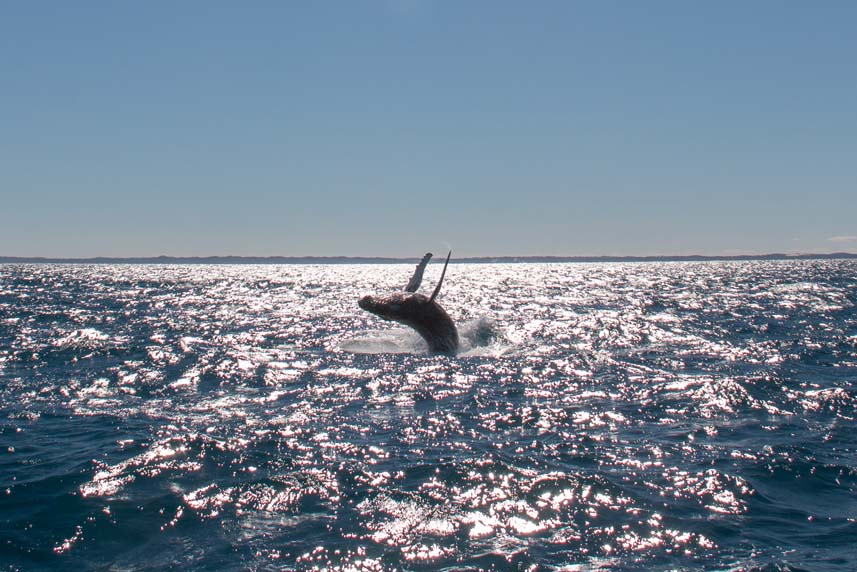
Moving on to nicer topics, I haven’t been whale watching this year. Life’s been a tad busy with this and that. I might yet get a chance to go out before the season finishes but for now, let me show you a couple of short videos giving you an idea of the experience.
3 young whales approach the boat. The one on the left hung around for most of an hour doing people-watching. This is what happened.
And here’s another little video showing a bit of action.
The experience is never the same. Sometimes you see not very much, other times there’s so much happening you don’t know where to look. It’s always wonderful. I shared a longer article about the whale watching experience on Substack. It goes into a bit more detail about why they’re here, what they do and so on.
I hope the world is wonderful where you live. And if you’re interested in what’s happening in my book world, please consider signing up for my newsletter.