Back to school and other things

We spent our second morning in Singapore learning how to cook local food. We visited Food Playground located on the edge of China Town. Here’s what they have to say about themselves.
“Food Playground is a hands-on cooking school offering online and in-person cultural cooking classes and corporate team building workshops since 2012. We operate out of a pre-war heritage shophouse in the heart of Singapore’s Chinatown, and have a unique social mission of providing flexi-work employment opportunities for stay-at-home mothers and active seniors who have limited avenues to return to the workforce. Being a social enterprise, we empower these women through structured training in facilitation and public speaking to develop them into confident culinary instructors and event facilitators. We invite you to join us in this meaningful cause while meeting your objectives of having an unforgettable cooking experience with us.”
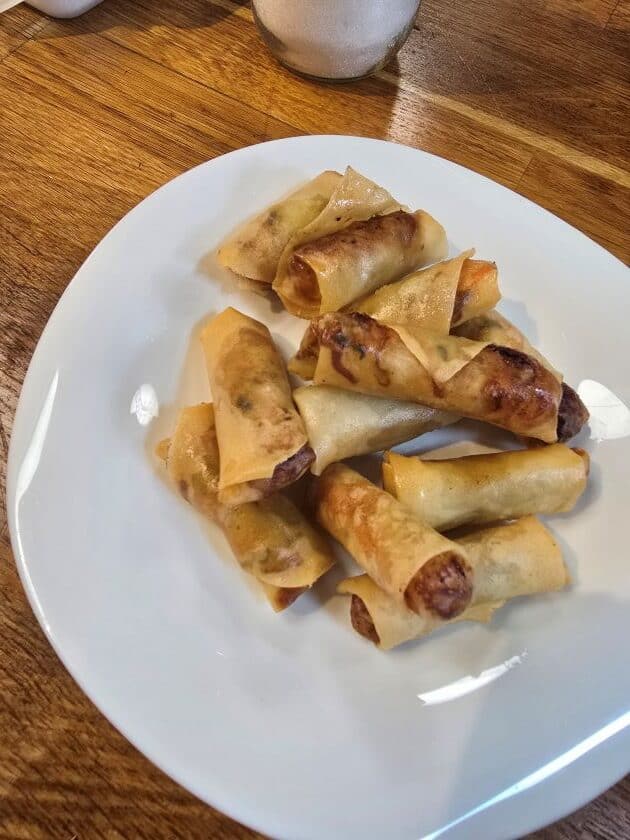
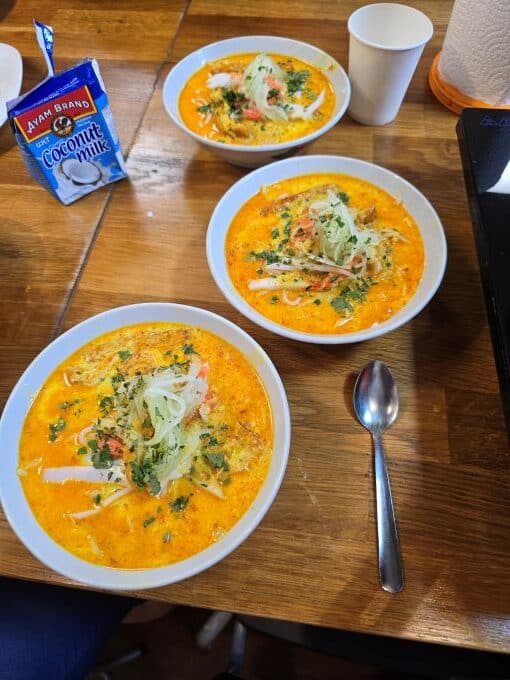
And it was lots of fun. We divided up into groups of three and learned a little about the local cuisine. Pete and I teamed up with Irene to create authentic laksa, hand grinding the paste; vegetarian spring rolls; and a dessert based on coconut with a custard-like consistency. The custard was poured into little baskets we made from pandan leaves. Sorry, forgot to take a picture. It was a great way of getting to know some of the others in the group and the food was delicious.

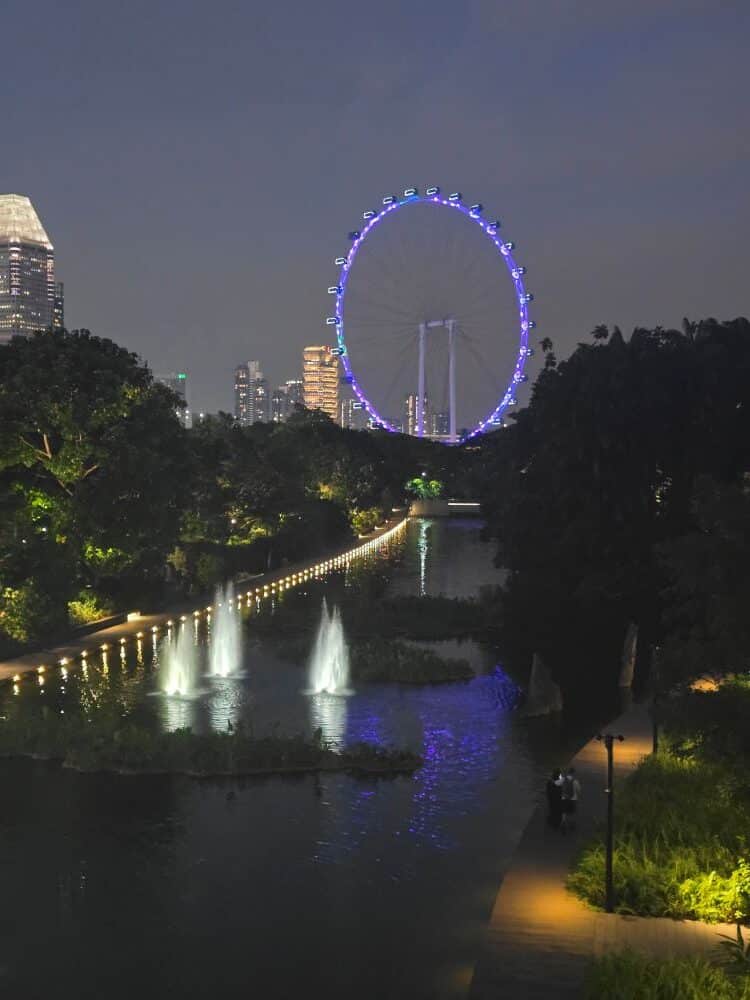
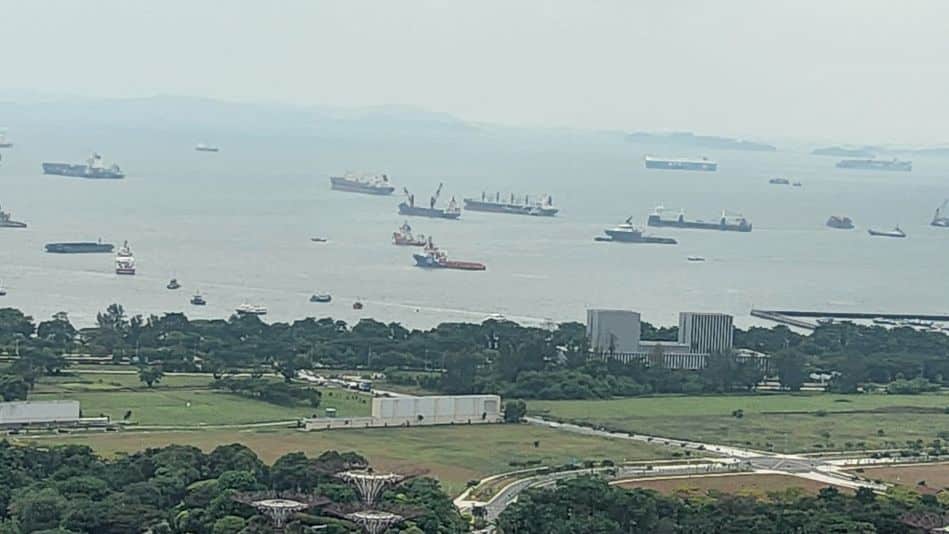
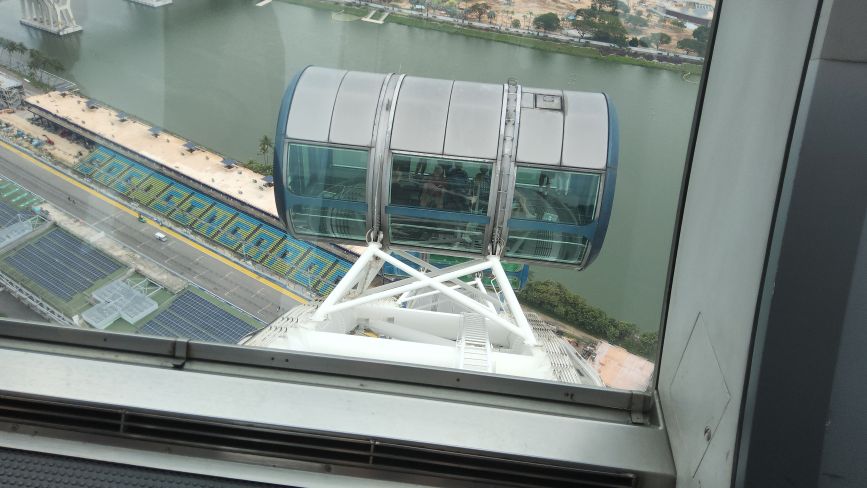
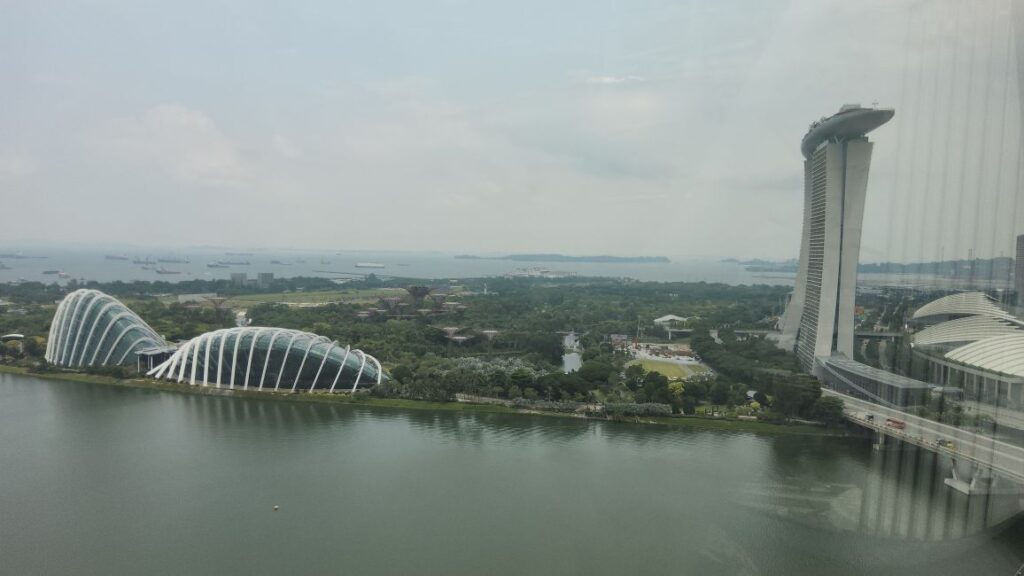
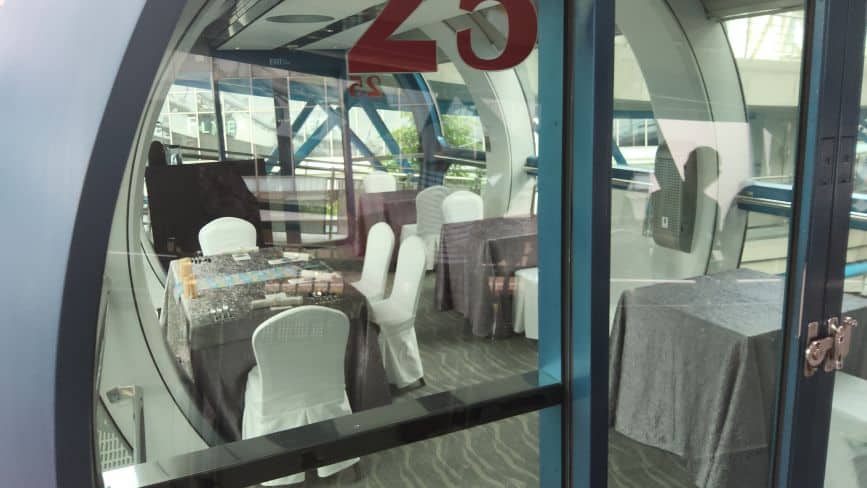
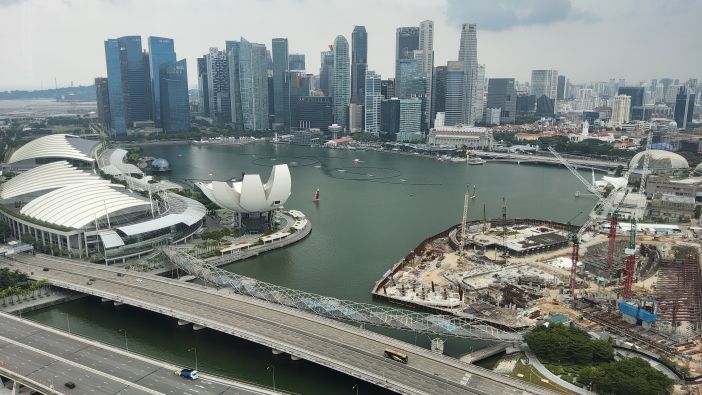
After lunch we went for a ride on Singapore’s giant ferris wheel. It moves very slowly, giving great views of the city. People can even have dinner in the capsules.
That afternoon we went to the Kranji war memorial. Our guide did an excellent job of telling us about the fall of Singapore in World War II and the subsequent brutal Japanese occupation. We Aussies all know about the Changi camp, the Burma railway, and the treatment of POWs.
Like all such cemeteries, Kranji is deeply moving. There are Australian, British, and Indian graves. I walked along the rows and was struck by the age of many of the soldiers. Not like at Arnhem and France, where they were kids; many of the people buried at Kranji were older men in their thirties and forties. And some of them died after the island was liberated, too sick from their time in the POW camps to even make it home.
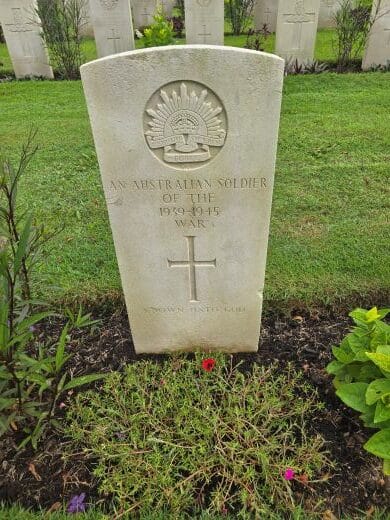
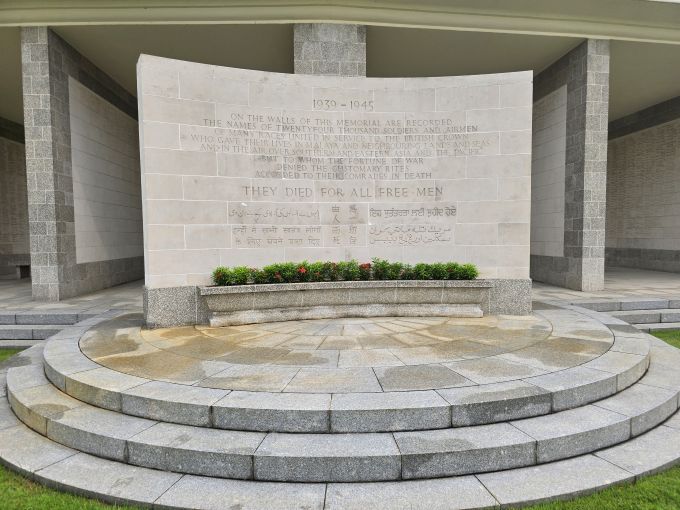

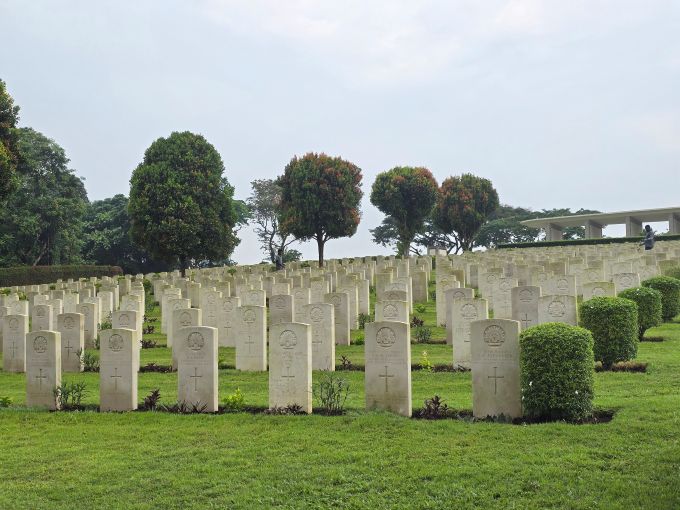
Other sections listed the nurses and those who were known to have died but left no remains. And, of course, the bodies never identified – the grave of an unknown soldier.
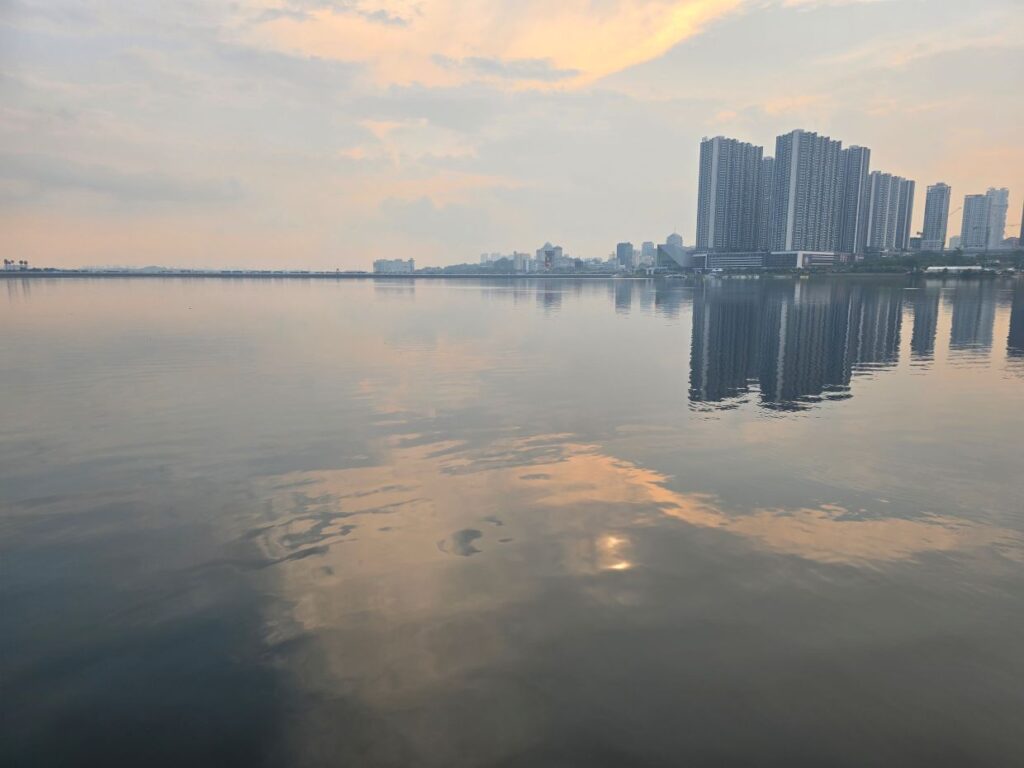
On the way back to the hotel we stopped at Woodlands Park near where the bridge crosses the Straits of Jahore from Singapore to Jahore in Malaysia. It’s not a long way at all. People cross here every day, many Malaysians to work in Singapore, while Singaporeans take advantage of their strong dollar to shop in Malaysia. And it was here that the Japanese crossed over to take Singapore.
That evening dinner was at our own expense so Pete and I went to Clarke Quay. It had certainly changed from when we were there last in 2016.
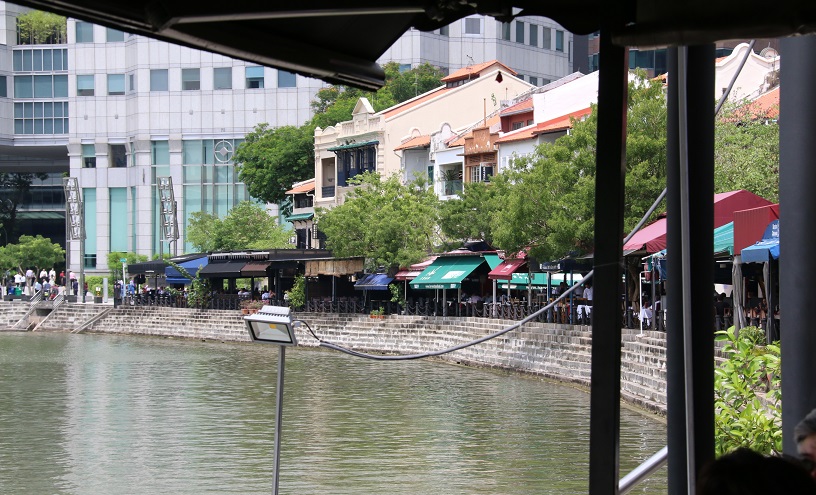
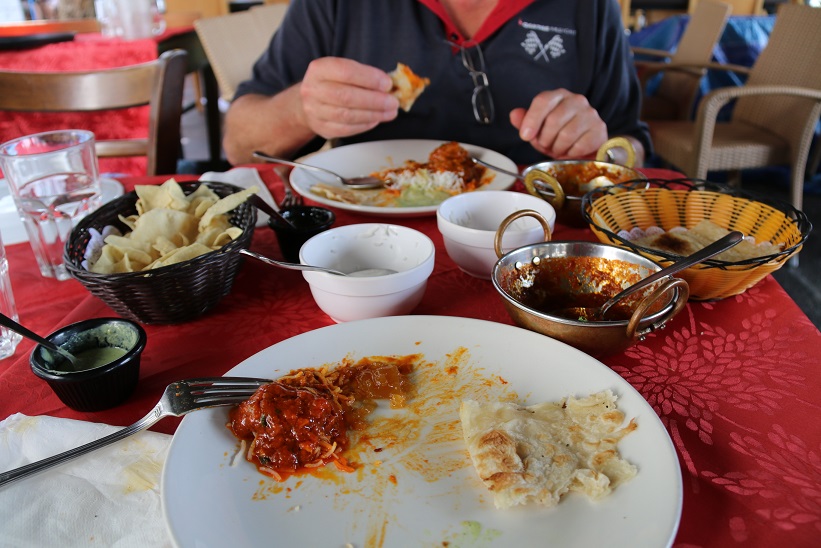
Eateries lined the street, awning-covered platforms with tables and chairs on the river bank, the kitchens in the ramshackle buildings over the road. We ended up at an Indian place offering a curry, rice, Naan, and a couple of condiments and a drink for $10. Sounded good to us. We ordered water to drink, buttered chicken, and lamb tikka masala. The meal was delicious – not too spicy and very filling.
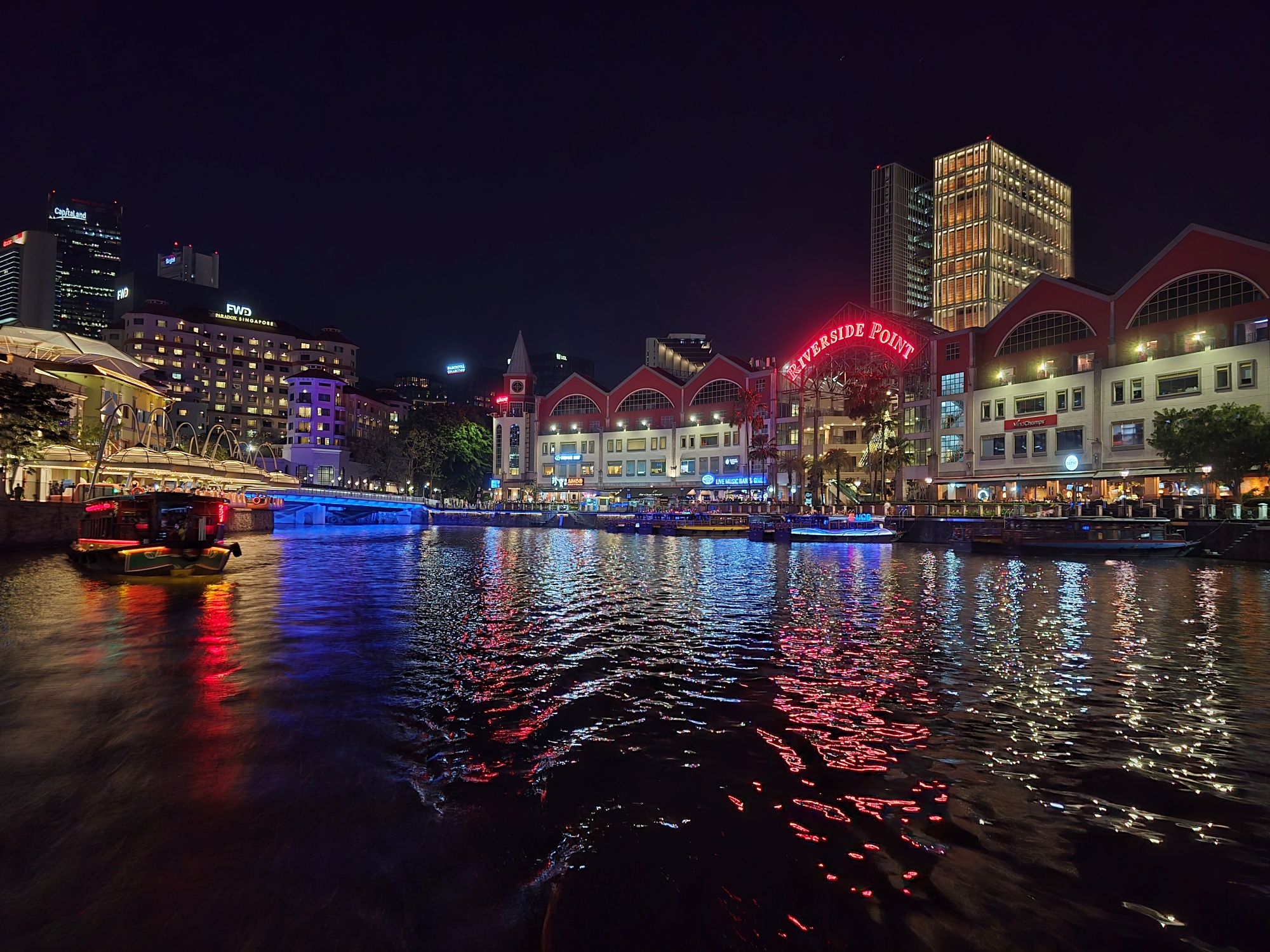
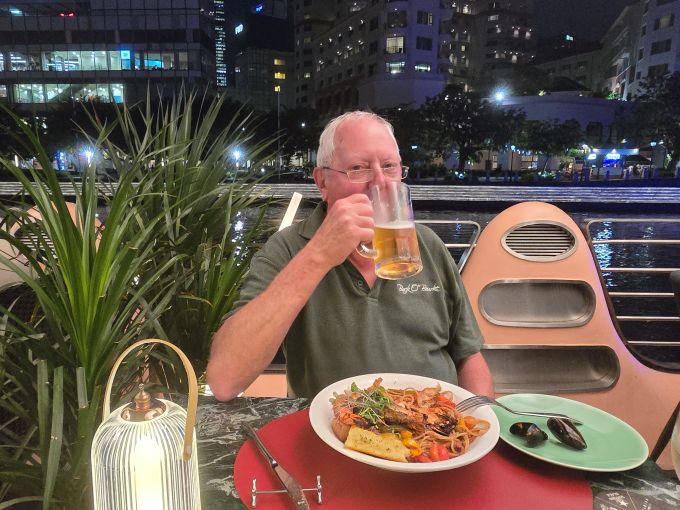
Clarke Quay in 2025 is a very different place. All the old eating places along the river had been replaced with modern eateries such as you’d find at Southbank. Ten bucks wouldn’t even buy you a beer. But the food and service were both excellent.
Tomorrow we would be heading for Sentosa, Singapore’s holiday island, where we would be learning a little more about Singapore’s war experience.
By the way, if you’ve come here by accident and want to follow the whole trip, tap here.