Turning toward the light
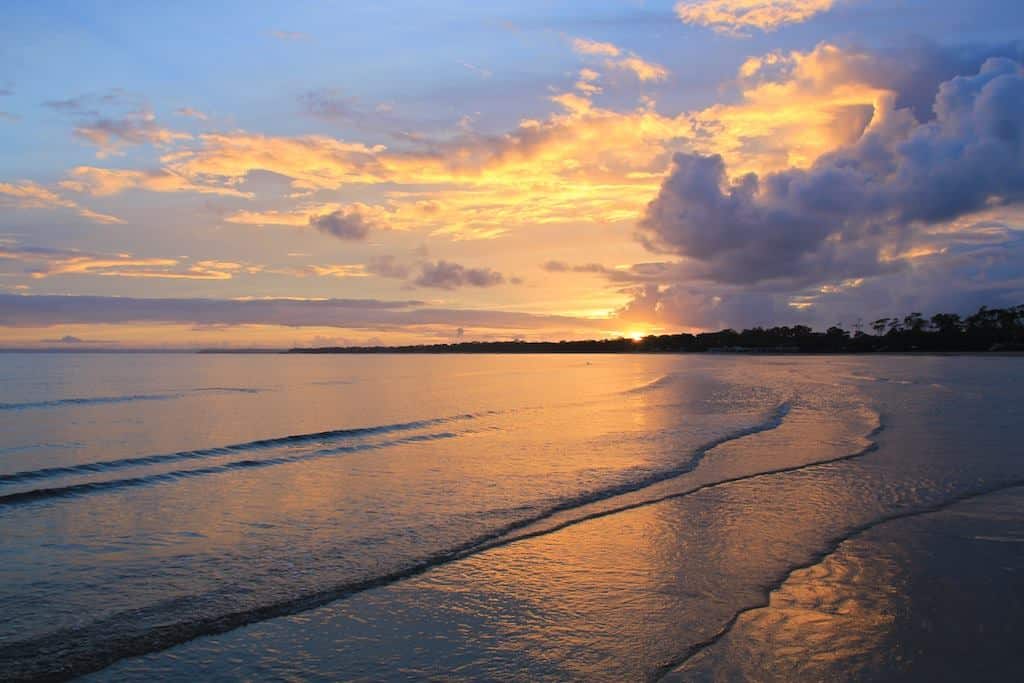
Here in Australia, we’re at the winter solstice. The shortest day of the year. The longest night.
If you live in the Northern Hemisphere, of course, it’s the opposite. Midsummer. Long days, warm evenings, probably people saying cheerful things like “let’s eat outside,” while those of us down here are clutching cups of tea and waiting for the sun to remember its job.
Still, the winter solstice has one very nice thing going for it. From here, the days begin to lengthen. Slowly, yes. Not exactly with trumpets and a marching band. But the turn has happened. We’re heading back toward the light.
Meanwhile, those of you up north are heading the other way, toward autumn, cooler days, falling leaves, pumpkins, misty mornings, and Spooky Season.
I have to say, Spooky Season isn’t quite so spooky when it lands in the middle of spring. It’s hard to feel haunted when everything is flowering.
But seasons are all about light, aren’t they? Too much, too little, fading, returning. And that brings me neatly, or at least with only minor steering-wheel wobble, to my latest book, Fireglass.
Fireglass grew out of one of those “what if?” questions I love.
What if life doesn’t always depend on carbon and water?
For a long time, humans have searched for life using those assumptions. We look for planets in the right zone around a star and we look for conditions that might support life as we understand it. Rocky planet, water, seasons – that sort of thing.
And that makes sense. We have to start somewhere.
But life on Earth has already surprised us. Not so long ago, we discovered creatures living in the deepest, darkest, coldest parts of the ocean. Fish, strange little organisms, and whole ecosystems clustered around volcanic vents where sunlight never reaches and the pressure would kill us. Down there, life doesn’t depend on warm beaches and happy little sunbeams. It depends on chemistry, heat, pressure, and opportunity.
Life finds a way.
So I started wondering. What if, somewhere out in space, life evolved from energy instead? Not flesh and bone. Not plants, animals, microbes, or anything we would recognise at first glance. Something different. Something alive, aware, and utterly alien.
Where would that happen?
A powerful source of energy seemed the obvious place. The heart of a nebula, perhaps, where protostars form and radiation streams through clouds of gas and dust. A place of pressure, heat, light, and motion. A stellar nursery. A place where stars are born.
That was the beginning of Fireglass.
Not with a battle. Not with a handsome man leaning moodily against a bulkhead, although naturally one turned up eventually. These things happen.
The story began with the idea of a living being made of light.
From there came the questions that matter in a story. If humans found such a creature, what would they see? A miracle? A scientific discovery? A weapon? A source of power? Something to protect? Something to own?
And what if one woman looked at this strange, impossible being and saw not a prize, but a frightened youngster who needed help?
That woman is Dr Linara Vey, an exobiologist who understands that intelligence may not arrive in a shape we expect. She knows the being she finds is alive. More than that, she knows it deserves a chance to go home.
Unfortunately, other people have different ideas.
Which is where the betrayal, danger, rescue mission, and general running around in space come in. Also Kael Reece, who arrives with his own problems and becomes rather more involved than he intended.
As one does.
Fireglass is a standalone sci-fi romance adventure with an emotional rescue mission, a sentient alien being made of light, betrayal, danger, and two people falling for each other while everything around them goes wrong.
So, you know. A quiet little outing.
I’ve released Fireglass a little early at my store. Buy it there and you’ll also receive two character cards, plus a 20% discount on your next purchase.
You can find it here:
https://payhip.com/b/VLrw2
And now I’ll go back to watching the light return, one minute at a time.
Thanks for reading,
Greta