When the Enemy Wore a Uniform
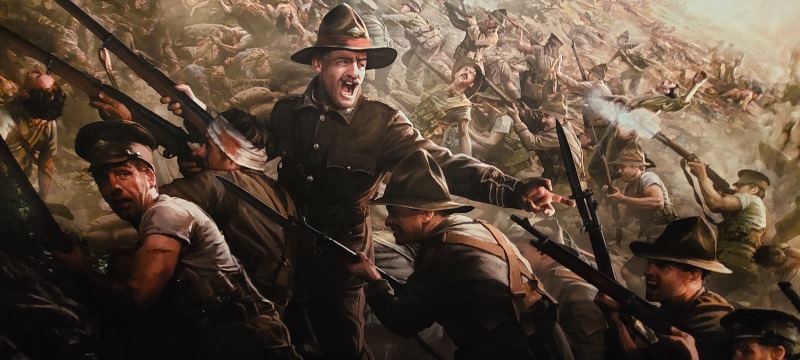
On the 25th April every year Australians and New Zealanders take the time to remember the men, women, and animals who have served in the wars in which Australia was a participant. On that day in 1915 the Anzacs (the Australian and New Zealand Army Corps) took part in the attack on the Dardanelles in Gallipoli, Türkiye.
The story is well known. They came ashore on 25 April 1915 in the wrong place, under steep cliffs and immediate fire. Any plan to move inland vanished. Within hours, they were pinned to a narrow strip of beach with the enemy above them.
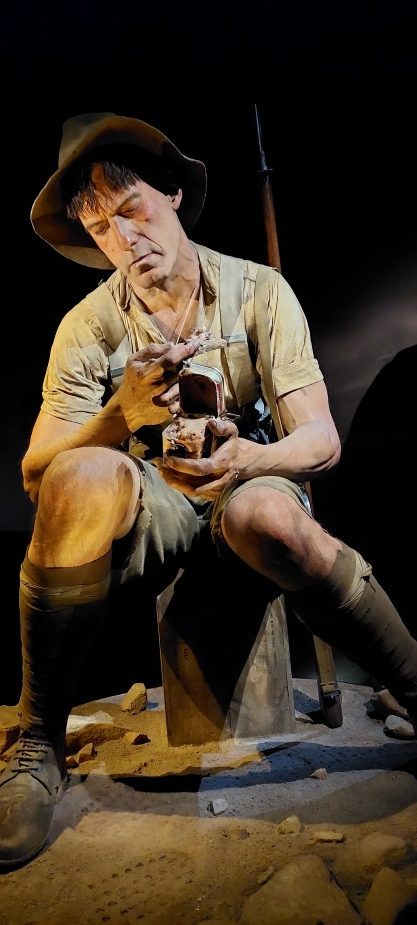
What followed was endurance. Trenches were dug into hard ground, often just metres from the enemy. Heat by day, cold by night. Flies everywhere, feeding on unburied bodies and getting into food and wounds. Water was scarce, filthy, and rationed. Disease spread fast.
Every attempt to break out meant climbing into gunfire. Most failed. Many didn’t come back.
By the end, the goal barely mattered. Survival did. When the evacuation came in December, slipping away in silence felt like the only real success.
And from there these poor bastards were carted off to France to trenches filled with mud, rats, fleas…
War is not nice. It never is. But at least in the past you knew who the enemy was because they wore a different uniform. (Usually)
But modern wars – Vietnam, Afghanistan, Iraq, Gaza, Syria etc are different.
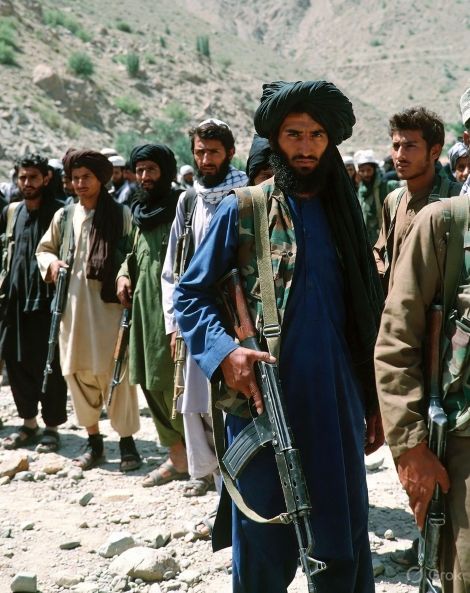
The enemy isn’t clearly identifiable. Groups like the Taliban or insurgents in Iraq don’t wear uniforms. Fighters blend into the civilian population. A man planting an IED in the morning can be a farmer in the afternoon. That uncertainty changes everything. Soldiers have to make life-or-death decisions with incomplete information.
The battlefield is everywhere. In Afghanistan and Iraq, there isn’t a fixed front line. Combat happens in villages, markets, roads, even homes. The Iraq War insurgency and the long conflict in Afghanistan (2001–2021) meant troops operated among civilians constantly, not separate from them.
IEDs became the biggest killer. Improvised explosive devices, often hidden in roads or vehicles, caused the majority of coalition casualties in both conflicts. You can’t “see” the enemy, but you can die from something buried under your wheels. That creates constant tension, every patrol, every step.
Civilians are part of the equation. Insurgents rely on local populations for cover, support, or intimidation. That puts soldiers in a bind. Use too much force and you risk alienating civilians. Hold back and you risk being attacked. It’s a strategic and moral tightrope.
Intelligence replaces visibility. Instead of spotting uniforms across a battlefield, modern forces depend heavily on signals intelligence, drones, local informants, and surveillance. Even then, it’s often uncertain or incomplete.
The psychological load is different. In Gallipoli, the threat was obvious. In modern insurgencies, it’s constant and invisible. Anyone could be a threat. That kind of pressure wears people down in a different way. Hyper-vigilance becomes the norm.
At Gallipoli, the enemy was in front of you, clearly defined, but the conditions were hell.
In Afghanistan or Iraq, the conditions were better physically, but the uncertainty is relentless. You don’t know where the next threat is coming from, or who it’s coming from.
Ben Roberts-Smith, a highly decorated former SAS soldier who completed six tours of Afghanistan, has been at the centre of serious allegations that he unlawfully killed unarmed civilians during the war in Afghanistan (2001–2021). The claims emerged through media investigations and were later tested in a lengthy civil defamation case in Australia. In 2023, the Federal Court found, on the civil standard of proof, that multiple allegations of unlawful killings were substantially true. Separate to that civil finding, criminal investigations have been ongoing, with any charges to be determined and proven in a criminal court, where the standard of proof is much higher.
And yet in the context of what that war was like, in a split second a soldier decides – is he a farmer or a Taliban fighter? Nobody condones the murder of civilians. But in this case, context has to be taken into account.
In 2012 an Afghan National Army soldier named Hekmatullah, who had been working alongside Australian troops, turned his weapon on them and killed three Australian soldiers in Uruzgan Province before fleeing the base on a motorcycle. Despite extensive searches and a continuing manhunt, he was never apprehended and is widely believed to still be alive, possibly across the border in Pakistan.
That incident underlines the core problem of that war, the enemy could be the man standing next to you, wearing the same uniform.
Soldiers are just people like you and me. War is a horrible, dehumanising thing. Let’s not judge too quickly, especially from the relative affluence and safety of suburban Australia.
War isn’t simple. There are no clear lines between right and wrong, friend and enemy. That grey space, where decisions are made in seconds and the consequences last forever, is exactly the kind of conflict I explore in The Iron Admiral: Conspiracy.
Because even in fiction, the hardest battles aren’t fought with guns. They’re fought with doubt.