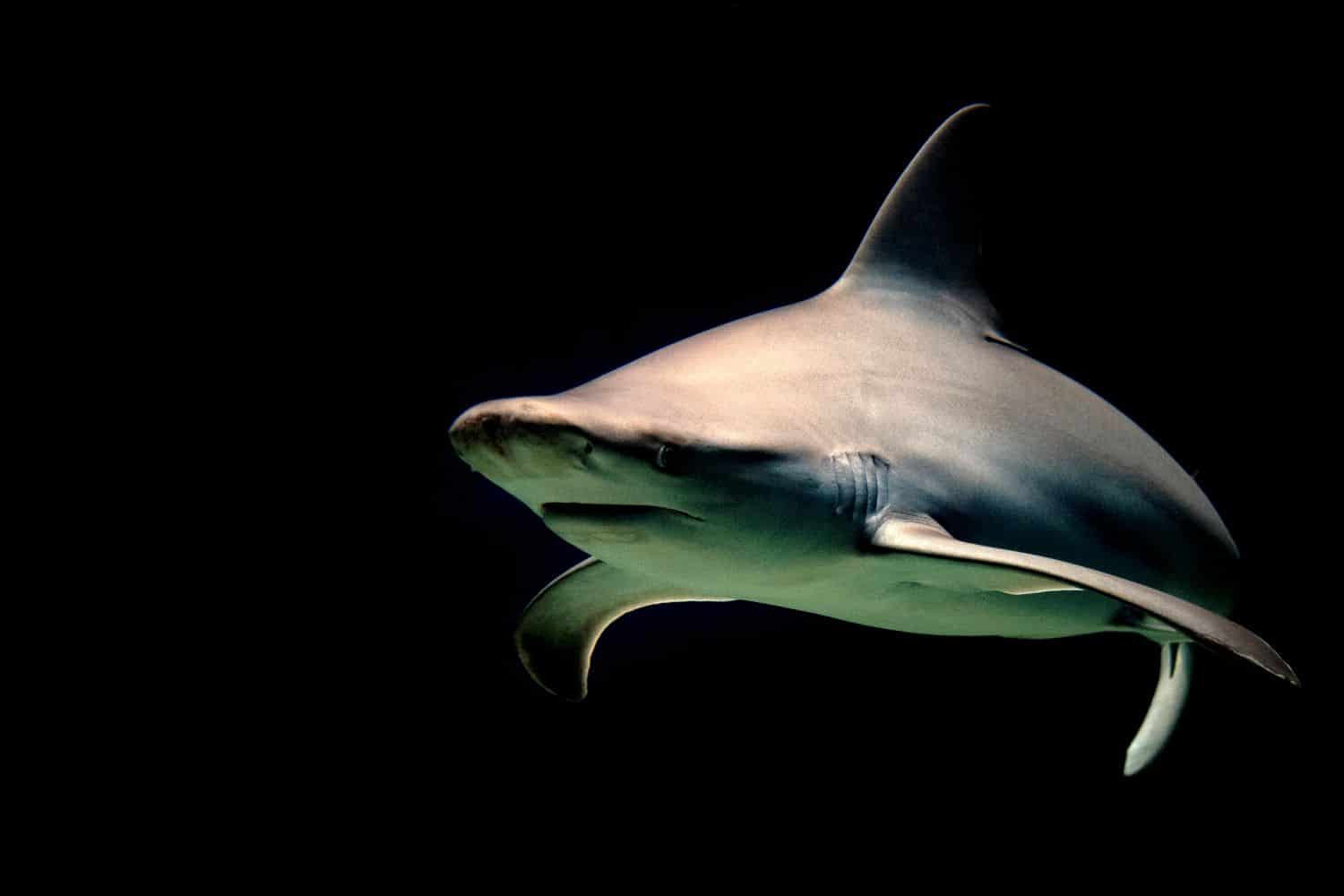
Sharks in Sydney Harbour, what the headlines miss
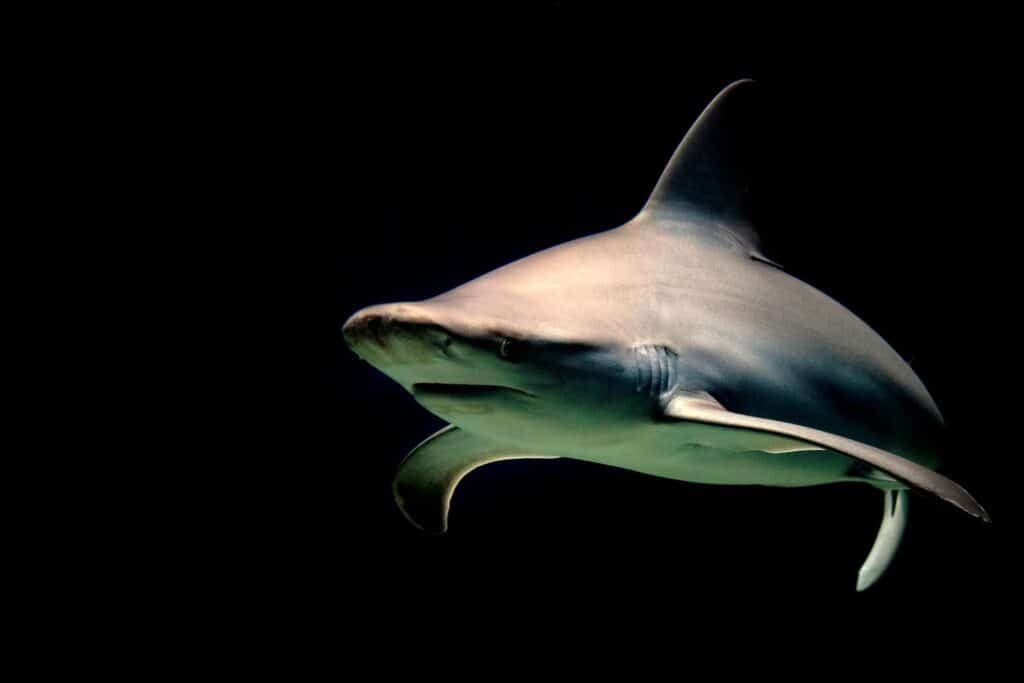
In recent months there have been four confirmed shark attacks in Sydney Harbour, and that fact alone has been enough to set nerves jangling. Four incidents, close together, sound alarming when they’re stripped of context and dropped into headlines. Add social media amplification and suddenly the harbour is being talked about as if it’s turned hostile overnight.
At the same time, there have been two fatal shark attacks on the New South Wales coast north of Sydney, occurring not far apart. While these tragedies did not happen inside the harbour, their timing and proximity have blurred together in public discussion. It’s easy to see how people start feeling like something has shifted, or that danger is suddenly everywhere at once.
There’s also the tragic case of 16-year-old Stella Berry, who was killed by what’s believed to have been a bull shark while swimming in Perth’s Swan River in February 2023, the first fatal shark attack in that river in about 100 years. [source]
But step back a little, and the picture changes.
Sharks have always been part of Sydney Harbour. It’s an open, tidal waterway connected directly to the ocean, with currents, baitfish, and marine life moving through it every day. None of that is new. What is new is how intensely we focus on rare events when they happen close together.
Australia has some of the longest and most detailed records of shark incidents anywhere in the world. According to the Australian Shark-Incident Database, just over a thousand shark bites have been recorded nationwide since the late 1700s. Only a small proportion of those incidents were fatal. Spread over more than two centuries, a vast coastline, and millions of people using the water every year, the actual risk remains extremely low. In recent decades, the average number of recorded bites is around twenty per year, a tiny figure when set against how extensively Australians use coastal and inland waterways. [source]
Clusters of incidents, like the recent ones in and around Sydney, are unsettling but not unusual. Sharks follow food. When environmental conditions line up, such as changes in water temperature, prey movement, or currents, sharks move into the same areas humans use. When those conditions change again, the sharks move on. A cluster doesn’t mean sharks are increasing in number, becoming more aggressive, or suddenly targeting people. It means nature briefly overlapped with human activity in an uncomfortable way.
Sydney Harbour’s own history puts the current fear into perspective. The most infamous attack occurred in 1935, when a naval cadet was killed near Garden Island. That single event still looms large in public memory, even though nearly ninety years have passed with very few comparable incidents inside the harbour.
Modern tracking shows that bull sharks and great whites do pass through the harbour from time to time. Most are transient visitors. They don’t linger, they don’t hunt people, and the vast majority of sightings involve sharks that never come close to swimmers at all.
What tends to distort perception is how risk is framed. Four attacks in a short period feels terrifying. Two fatalities nearby amplify that fear. But statistically, everyday activities we barely think about remain far more dangerous. Driving to the coast, swimming in rough conditions, or slipping on rocks all carry significantly higher risks than a shark encounter.
None of this is about dismissing danger or pretending sharks are harmless. They’re powerful wild animals and deserve respect. Sensible precautions matter. Swimming at patrolled beaches, avoiding murky water, staying out of the water at dawn and dusk, and steering clear of baitfish or fishing activity all reduce an already tiny risk even further.
Sharks aren’t intruders in our waters. We are visitors in theirs. The fact that millions of people enjoy Australian waterways every year without incident isn’t luck. It’s evidence that coexistence already works remarkably well.
Yes, the recent attacks are confronting. They deserve serious reporting and thoughtful discussion. What they don’t deserve is panic. Fear spreads fast, but facts still matter.
Understanding the risk, rather than inflating it, lets us keep enjoying the water with respect, caution, and perspective.




“Sharks aren’t intruders in our waters. We are visitors in theirs.” Says it all.
Absolutely right. I hate to hear of culling. It’s just so dumb.