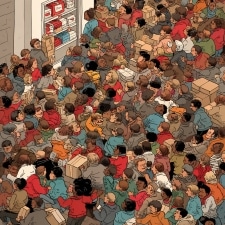
How Black Friday Took Over The Planet
Black Friday used to be a very American thing, the sort of chaotic retail ritual you watched on the news while clutching your morning tea and wondering why anyone would sprint through a department store for a discounted blender. Now it has become a global shopping season, stretching from a single manic day into a multi-week promotional marathon.
The name Black Friday popped up in the 1960s in Philadelphia. Police used it to describe the traffic gridlock and general mayhem that followed the Thanksgiving holiday. Shoppers flooded the city, retailers pushed big sales, and the streets clogged with frustrated drivers. It was not exactly flattering, but it stuck.
Retailers then leaned into the term and gave it a friendlier spin. They claimed Black Friday marked the point when stores moved from being “in the red” to “in the black”, meaning profitable. Convenient, tidy, and slightly suspicious, but it made the whole thing sound cheerful rather than grim.
At its core, Black Friday is still about massive discounts. Retailers use it to clear stock, boost their numbers before year’s end, and lure shoppers into spending far more than they planned. It has also ballooned into a psychological event, a signal that the holiday shopping season has officially begun. People wait for deals, compare prices, and tell themselves a 60 percent discount is a moral duty.
Online shopping supercharged the whole affair. Once Amazon joined the game, Black Friday was no longer limited to bricks-and-mortar chaos. You didn’t even need to change out of your pyjamas.
Black Friday’s global takeover started when retailers outside the United States noticed shoppers responding to the hype online. If Americans were getting bargains in late November, why not offer the same somewhere else? It didn’t matter that the countries involved had no connection to Thanksgiving. A sale is a sale.
The United Kingdom picked it up early, and Australia was not far behind, especially once local chains saw how much traffic online stores were getting. Europe joined in. South America joined in. Even places with very different shopping traditions now run Black Friday promotions because customers expect them.
Cyber Monday grew alongside it, turning the whole long weekend into a shopping juggernaut. Some retailers jump the gun and start “Black Friday” sales in early November, while others run “Cyber Week”. At this point, the name is more brand than calendar marker.
It works everywhere because people love feeling like they are getting a deal, even if they absolutely did not need that gadget, book bundle, or air fryer. Retailers love predictable, high-volume sales. The internet removed borders, customers compared prices globally, and suddenly everyone was competing on the same playing field.
Black Friday is now less about American holiday culture and more about a shared global moment of bargain hunting. Whether you love it, loathe it, or participate with one eye open and a firm grip on your wallet, it is here to stay.
Yes, of course the book marketing is out there. My book, Black Tiger, has a Black Friday special. It’s US$0.99 from now until January. Tap on the cover to find out more.

And if you want to fill your Kindle for the coming holidays – and you’re into romantic fantasy, sci-fi, or paranormal – you might be interested in the freebies here. Tap on the image.



One Comment