Clean and hygienic – or else
Singapore is a true multi-cultural society. Most of Singapore’s 5.9 million people are of Chinese descent (75.9%), followed by Malays (15.4%), and Indians (7.4%). The remaining 1.6% of the population is categorized as “Other,” which includes Eurasians and other groups. The English language is used for education and administration but Singapore also officially recognizes Mandarin, Tamil, and Malay. It’s Tamil, not Hindi, because the Indians mainly trace their roots back to Tamil Nadu in south India.
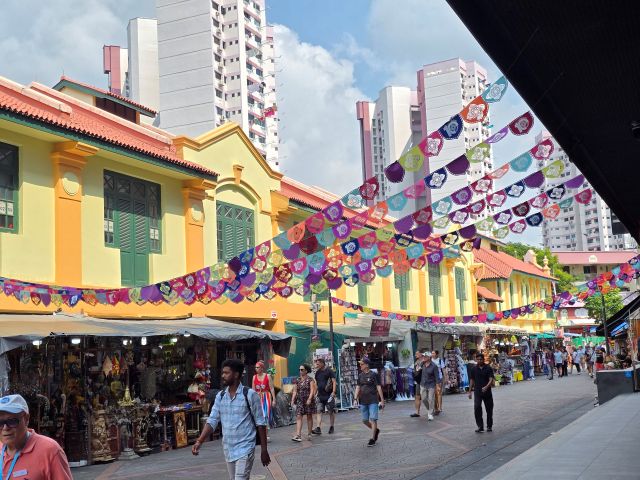
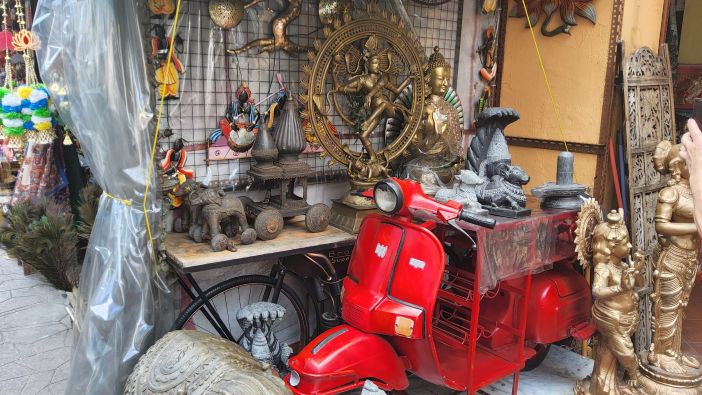
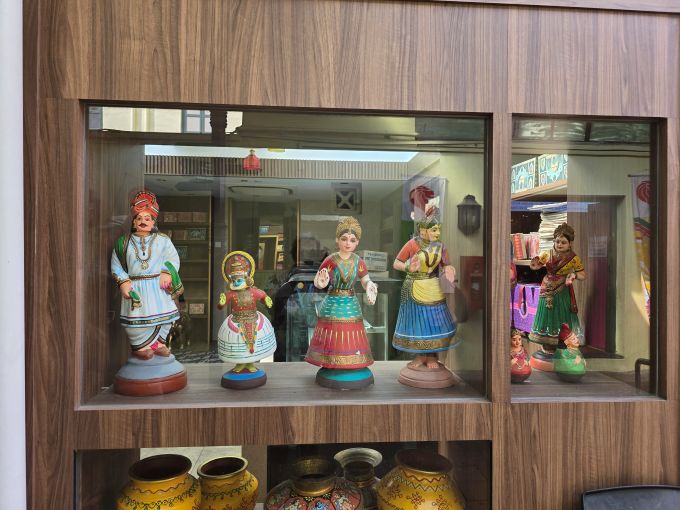
While most of the city boasts tall apartment buildings, pockets of the original buildings have been preserved, basically to promote tourism. We’d been to the edges of China Town to do our cooking class but today we would visit the Malaysian enclave, Istana Kampong Gelam, a few streets near the Sultan Mosque, and Little India, near the Sri Veeramakaliamman Temple.
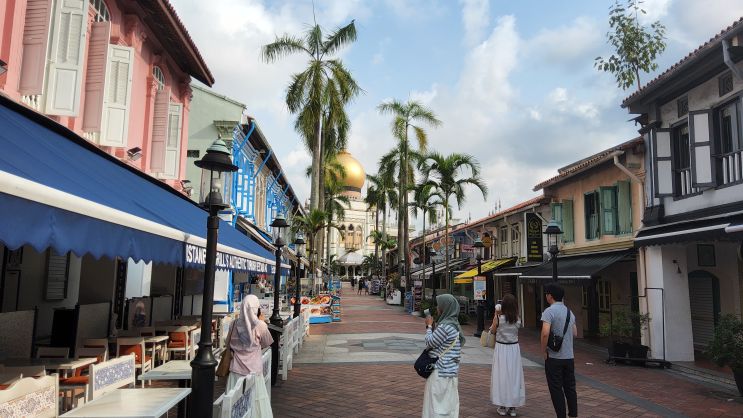
Two things stood out: the streets were all clean and there was no graffiti. There’s a reason for that, of course. When Lee Kuan Yew became prime minister in 1965 Singapore was as dirty and unhygienic as most other Asian cities. Post-1965, the government rolled out a sweeping series of fines and regulations targeting what it saw as anti-social or unhygienic behaviour. These included: Spitting in public, Littering, Vandalism, Failing to flush public toilets, Jaywalking, Chewing gum, and Smoking in unauthorized areas. These weren’t token fines either—they were substantial and rigorously enforced.
As well as being fined, offenders (typically for littering) were sentenced to clean public spaces like parks, streets, and housing estates. They had to wear a brightly-coloured vest or jacket, sometimes emblazoned with phrases like “Corrective Work Order” or “I am a litterer”. The idea was to make the punishment visible as a deterrent—essentially public shaming. And it worked.
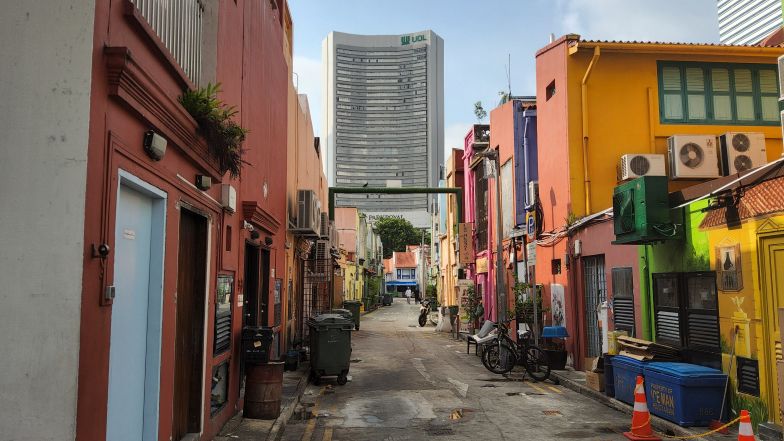
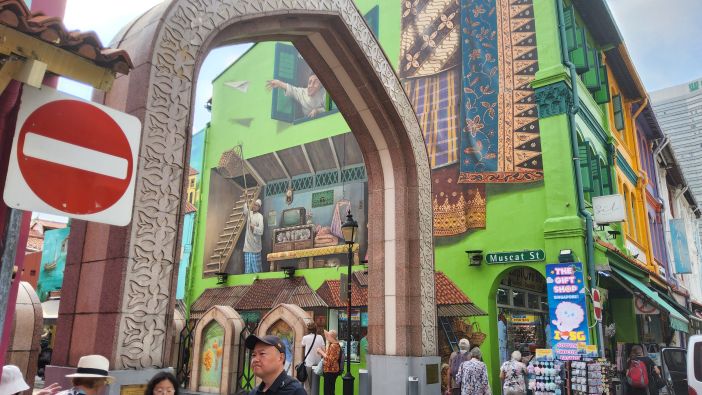
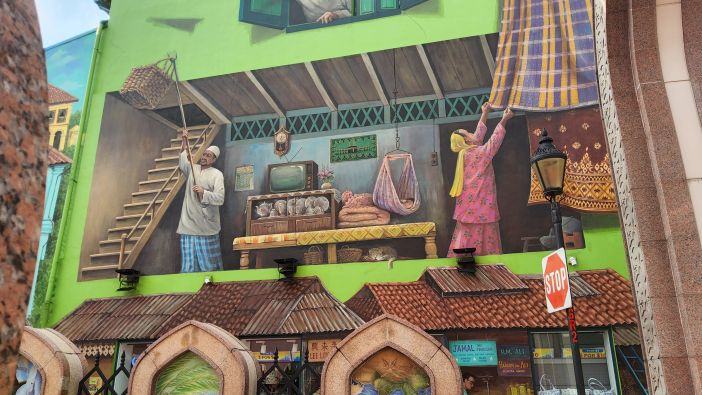
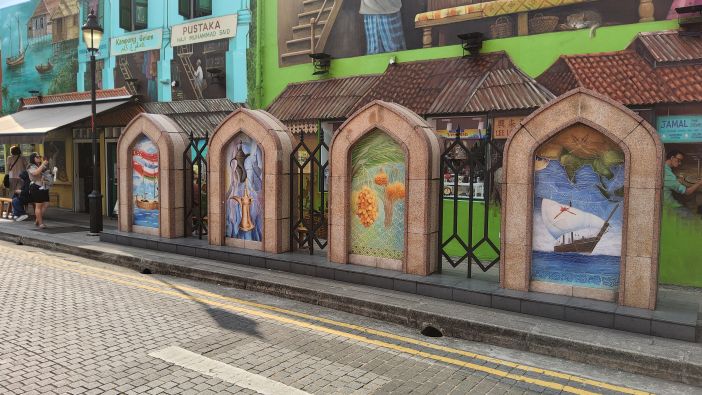
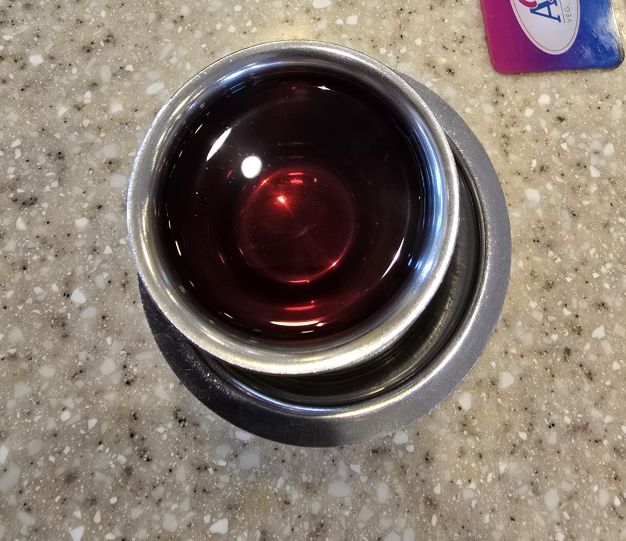
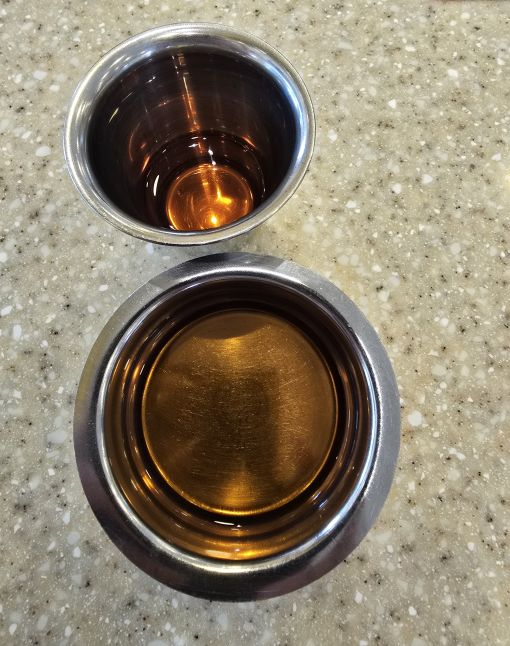
While the rest of the group visited Little India we stopped for a cup of tea. It was very interesting. The tea arrived in a metal bowl inside a metal bowl, too hot to handle. You cooled the tea by tipping it between the two bowls, then drank.
Sri Veeramakaliamman Temple is one of the oldest temples in Singapore. Built by Indian pioneers who came to work and live here the temple was the first in the Serangoon area and became a focus of early Indian Social Cultural activities. It’s certainly colourful.
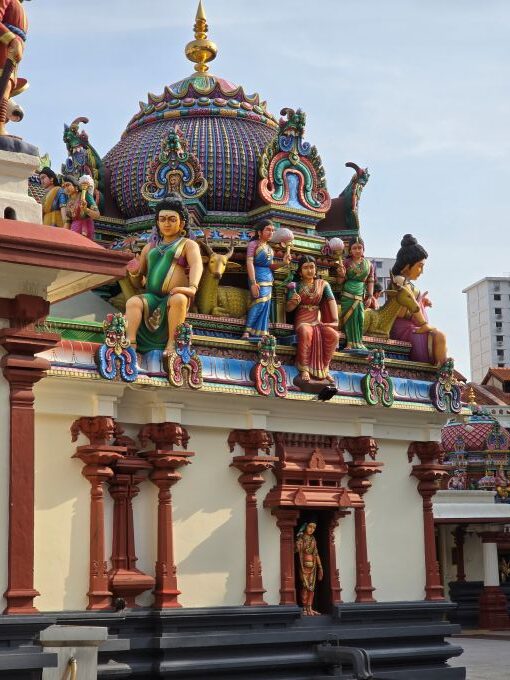
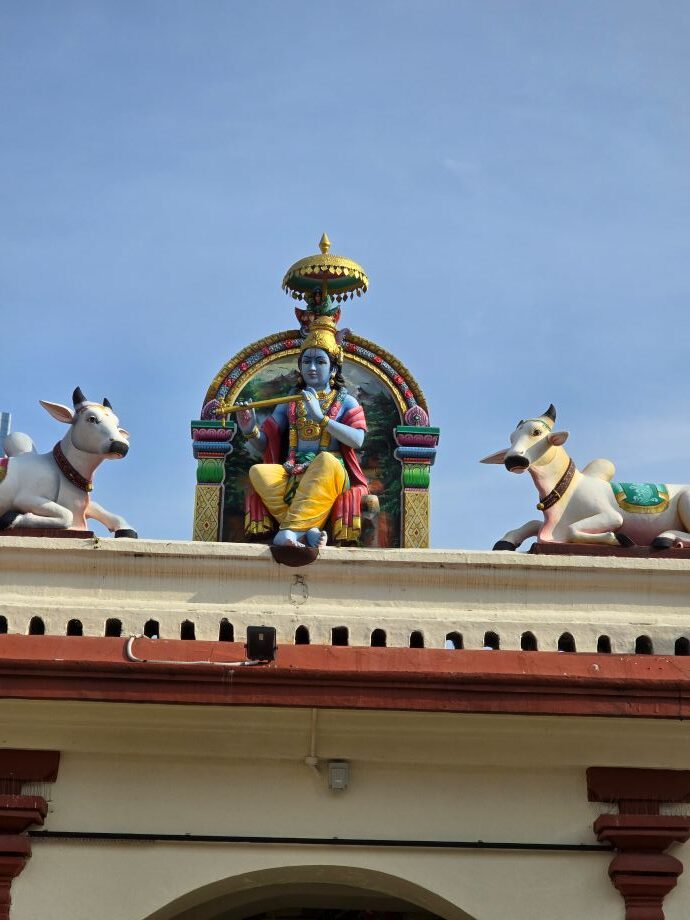
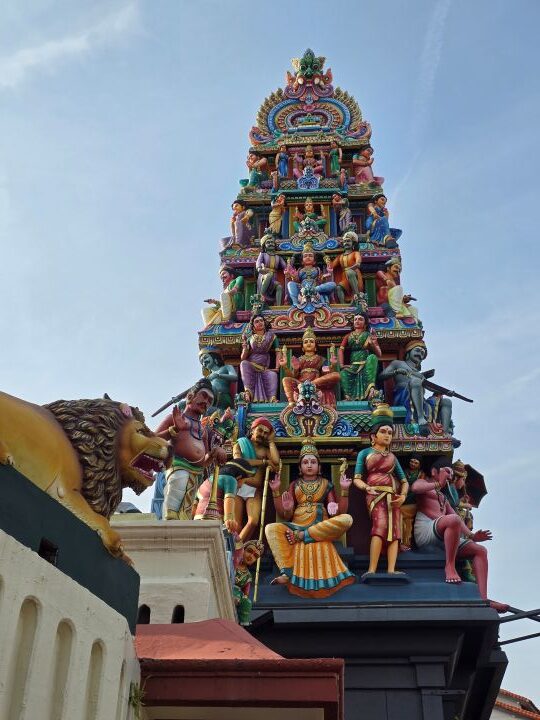
These cultural enclaves are there for the tourists. It was certainly interesting to see the city’s early heritage and some of our groups enjoyed the shopping experience. I was disappointed that we couldn’t go inside the Sultan Mosque, since it was Friday. But that’s life.
Lunch was at our own expense today. This afternoon we’d be off on another adventure. I’ll tell you about that next time.

By the way, if you’ve come here by accident and want to follow the whole trip, tap here.